A hot Texas afternoon can change a customer’s priorities real quick. A family heading to the lake needs bags of ice before the boat hits the ramp. A contractor crew wants cold water before the next job starts. A shopper leaving the grocery store remembers the cooler in the truck. A small store owner sees the same pattern every weekend and starts asking a better question: how can the business serve that demand without overcomplicating operations?
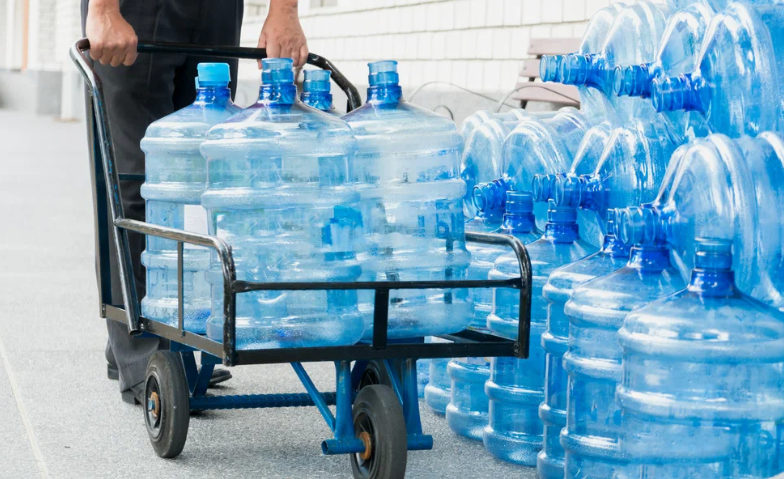
That is where water distribution services are moving in a new direction. Small businesses are no longer thinking only about bottled cases stacked in the back room. They are looking at cleaner refill options, ice and water kiosks, self service access, better filtration, simple payment systems, and a reliable supply that works when customers are already on the move.
In Texas, that shift makes sense. Heat, travel, outdoor work, camping, boating, sports, family cookouts, and long road stretches all shape how people buy water and ice. The smarter the service, the easier it becomes for a business to stay useful.
Key Takeaways
- Convenience is becoming a major customer expectation.
- Filtration and clean access are now trust builders.
- Vending models can support steady local demand.
- Small businesses need service plans, not just machines.
Why Water Access Is Changing
Water has always been basic, but basic does not mean simple. Customers want it clean, easy, available, and close. Businesses want a supply that does not create constant restocking headaches or storage problems.
Texas also faces long term water planning pressure. The Texas Water Development Board has said existing water supplies that can be relied on during drought are projected to decline 18 percent between 2020 and 2070. That number does not mean small businesses should panic. It does mean practical water choices deserve more thought than they used to.
For local stores, travel stops, event areas, rural markets, and service stations, the future is pointing toward smarter access. The trend is not about fancy equipment for the sake of it. It is about meeting people where they already are.
Trend One: Cleaner Self Service Access
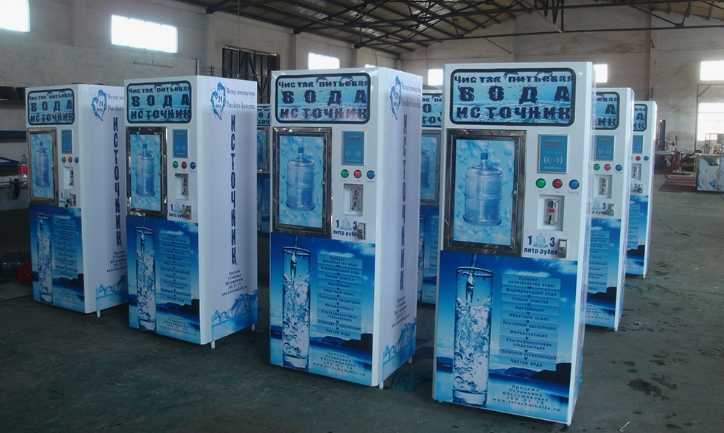
One of the biggest changes is the rise of self service water and ice access. Customers like being able to stop, fill, pay, and leave without waiting on staff.
For small businesses, this can be helpful because staff time is already stretched. A clean kiosk or vending setup can serve customers outside regular rush patterns, especially early morning, late evening, and busy weekend hours.
Self service also fits Texas life. Folks heading to a deer lease, lake house, ball tournament, ranch job, or tailgate often want a quick stop, not a long errand. If the machine is visible, clean, and easy to use, it can become part of their routine.
Trend Two: Filtration Builds Customer Trust
Customers may not ask about every filtration detail, but they notice taste, clarity, and cleanliness. If water tastes off or ice looks cloudy, trust drops fast.
Modern water distribution services are putting more attention on filtration, equipment sanitation, and system care. That matters because water and ice are used for drinking, food storage, coolers, events, and travel.
A business should think beyond the machine itself. Where does the water come from? How is it filtered? How often are filters changed? Who checks sanitation? How does the business know the system is working?
Clean water is not just a product. It is a promise customers can taste.
Trend Three: Ice And Water Together
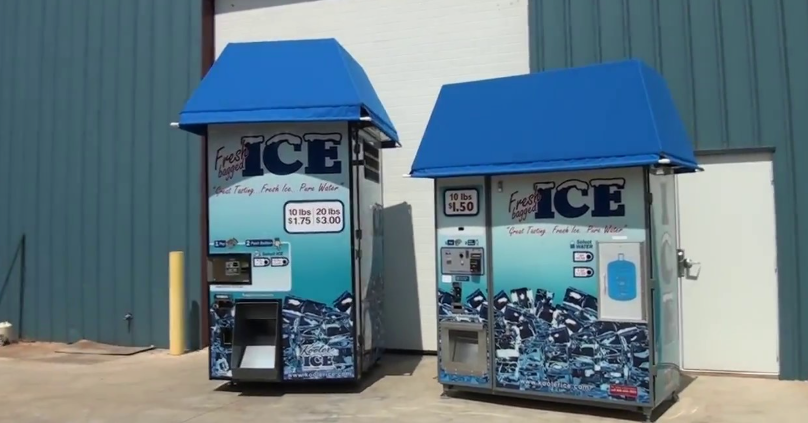
A customer who needs water often needs ice, too. That is why combined water and ice vending is gaining attention. It serves as the real way people prepare for outdoor life.
A camper may fill water jugs and buy ice for a cooler. A family heading to a youth sports tournament may need both. A food vendor may need ice to hold supplies cold and water for cleanup or drinking. A convenience store near a highway may see travelers who want one stop for several needs.
This pairing makes sense because it reduces friction. When customers can solve two problems in one stop, the business becomes more useful.
What Small Businesses Should Compare
| Trend Area | Why It Matters | Simple Texas Cue | Mistake To Avoid |
| Self Service Access | Helps customers buy quickly | People stop before the lake trips | Hiding the machine from traffic |
| Filtration Quality | Builds trust in taste and clarity | Customers return for clean water | Treating maintenance as optional |
| Ice And Water Pairing | Serves outdoor and travel needs | Coolers need both supplies | Offering only half the solution |
| Payment Options | Makes buying easier | Card and tap use keeps rising | Relying on one payment method |
| Location Planning | Connects supply to demand | Busy roads and events help | Buying before studying traffic |
| Service Support | Protects uptime | Peak weekends need reliability | Waiting until breakdowns happen |
The strongest setup is rarely chosen from a brochure alone. It is chosen by matching the machine, service model, and location to how customers actually live.
Trend Four: Payment Flexibility Matters
Cash still matters in many Texas communities, but customers increasingly expect card and tap options. The easier the payment, the shorter the pause between interest and purchase.
A business owner should think about who stops at the location. Local workers may use one payment style. Travelers may use another. Event customers may expect fast digital options. Rural customers may still appreciate cash access.
The best payment setup is not about chasing every shiny feature. It is about removing friction for the people most likely to buy.
If a first time customer has to squint, guess, or walk inside for help, the setup needs work.
Trend Five: Location Strategy Gets Smarter
A good location can do half the selling before a customer reads a sign. Visibility, traffic flow, parking, trailer access, lighting, drainage, and safety all matter.
Small businesses should study their property as a customer would. Can a truck with a trailer pull through? Can a parent stop without blocking traffic? Can evening customers see the machine? Is the area clean? Does the machine face the flow of people, or is it tucked away like an afterthought?
For a vending machine business, location is not just an address. It is the customer experience before the sale begins.
Texas businesses near boat ramps, parks, sports fields, industrial areas, RV routes, campgrounds, farm roads, and shopping centers may have natural demand patterns worth studying.
Trend Six: Maintenance Becomes The Differentiator
Plenty of businesses can add equipment. Fewer can keep it looking clean, working well, and ready during peak demand.
Maintenance is where trust is either protected or lost. Customers remember when a machine is out of service on a hot Saturday. They remember dirty surfaces. They remember weak instructions. They remember whether the water tasted good.
A service plan should cover:
- Filter changes.
- Cleaning and sanitation.
- Payment system checks.
- Ice production review.
- Water quality monitoring.
- Fast repair response.
Reliable service is not glamorous. It is what keeps a customer coming back.
Trend Seven: Local Demand Data Helps
Small businesses are learning to track demand more carefully. Sales reports, payment data, weather patterns, event calendars, and customer questions can all reveal when water and ice demand rise.
A store near a lake may see Friday afternoon and Saturday morning spikes. A business near a job corridor may sell more early in the day. A location near youth sports fields may follow tournament schedules. A rural site may see demand increase before holidays or hunting trips.
Data does not replace common sense. It sharpens it.
The best owners combine numbers with what they already see from behind the counter.
Trend Eight: Sustainability Influences Choices
More customers are paying attention to waste. Refill water options can reduce single use packaging for people willing to bring containers. Bulk ice and clean vending access can also reduce unnecessary handling and restocking compared with some traditional models.
Small businesses do not need to sound preachy about it. They can simply offer practical choices that make sense.
A refill station can help a customer fill a container before a road trip. A clean ice vending option can support large coolers without requiring multiple indoor purchases. These are simple improvements, but simple improvements often win loyalty.
What Most Owners Get Wrong
The first mistake is thinking demand will appear just because a machine exists. It will not. Demand depends on visibility, need, traffic, trust, and convenience.
The second mistake is choosing equipment before understanding the customer. A machine near a lake route may need a different capacity than one at a quiet neighborhood shop.
The third mistake is forgetting service ownership. Someone must be responsible for cleaning, checking, restocking, troubleshooting, and watching performance.
The fourth mistake is ignoring first impressions. Customers judge quickly. A dirty machine, poor lighting, a confusing payment screen, or blocked access can turn convenience into frustration.
How To Plan A Better Setup
A practical planning method can keep owners from rushing. Use the five point “Texas Stop Test” before investing.
- Traffic: Are the right customers already passing by?
- Need: Do they regularly need water, ice, or both?
- Access: Can they stop safely and quickly?
- Trust: Will the setup look clean and reliable?
- Support: Can the business maintain uptime?
If the answer is weak in more than one area, the owner should slow down and improve the plan. Better planning beats a fancy setup in the wrong spot.
A Familiar Texas Business Scene
Picture a small store outside a popular weekend route. During spring and summer, trucks pull in with coolers, fishing gear, kids in the back seat, and someone asking where the ice is. The store has indoor drinks and snacks, but ice restocking becomes a constant chore.
The owner starts tracking when customers ask for ice and water. Friday afternoons are busy. Saturday mornings are busier. Holiday weekends are wild. After watching the pattern, the owner realizes a self service setup could reduce staff interruptions and serve customers faster.
That decision did not come from guessing. It came from paying attention.
How Trends Affect Customer Loyalty
Customers return when a stop solves a problem without drama. If water tastes clean, ice is available, payment is simple, and the area feels safe, people remember.
That kind of loyalty is quiet. It may not show up as applause. It shows up when the same truck pulls in every weekend, when a family chooses the same store before the lake, or when a contractor crew makes the location part of its route.
Water distribution services work best when they become dependable in ordinary moments.
Why Small Businesses Should Act Carefully
Adding water and ice access can be a smart move, but it should not be rushed. Owners should review location, utilities, machine size, filtration, payment options, signage, service support, and seasonal demand.
They should also think about what customers already ask for. The best business ideas often begin as repeated customer questions.
If people keep asking, “Do y’all have water?” or “Can I get ice here?” that is more than a question. It may be a signal.
Smarter Water Access Starts Locally
The future of water distribution services for small businesses will be shaped by cleaner access, practical technology, better filtration, flexible payment, and stronger maintenance planning. Texas owners who understand their traffic, weather, customers, and location patterns can make sharper choices instead of guessing from a sales pitch. The best setups will not simply sell water or ice; they will solve real moments for travelers, workers, families, and outdoor crowds. When a business becomes the easy, trusted stop, convenience turns into repeat value season after season.
Double T Holdings supports water and ice vending, resource operations, and community focused services with a Texas rooted commitment to quality, dependable access, and practical growth.
FAQs
What Makes A Good Customer Stop?
A good stop is visible, clean, easy to access, well lit, simple to use, and close to where people already need water or ice.
Which Trends Matter For Small Stores?
Cleaner refill access, combined ice and water stations, flexible payments, stronger maintenance, and local demand tracking matter most.
How To Know Demand Is Real?
Watch repeated customer requests, weekend traffic, outdoor activity, nearby events, truck flow, and seasonal heat patterns before investing.
What Professional Support Helps Most?
Site review, utility planning, equipment selection, filtration guidance, installation support, and maintenance planning can prevent costly mistakes.
When Should A Business Upgrade?
Upgrade when demand is steady, current supply runs short, staff restocking becomes difficult, or customers ask for faster access.