A Texas parking lot in July can tell a business owner plenty. A truck pulls in with a boat hitched behind it. A family stops before heading to the lake. A work crew fills the bed with coolers before the sun gets mean. Somebody steps out, wipes their forehead, and asks the same old question: “Where’s the ice?”
That everyday moment is where ice and water vending machines can become more than equipment sitting beside a storefront. They can become a steady convenience point for people already moving through life: campers, boaters, shoppers, travelers, event crews, ranch hands, and families getting ready for a long day.
Profit does not come from the machine alone. It comes from the right location, clean product, dependable operation, simple payments, customer trust, and a service routine that keeps the whole setup working when demand shows up.
Key Takeaways
- Profit starts with location, not machinery.
- Clean water and fresh ice build repeat trust.
- Peak demand matters more than average demand.
- Maintenance protects revenue during busy periods.
Why Texas Demand Runs Strong
Texas does not sit still. People drive, camp, boat, fish, shop, tailgate, work outdoors, and travel long stretches where quick access matters. That movement creates daily demand for water and ice, especially near gas stations, lake routes, campgrounds, RV paths, work corridors, grocery stops, and small town highways.
Travel also supports this pattern. The Office of the Texas Governor reported that Texas attracted a record 62 million travelers in 2024, which helps explain why roadside convenience can matter so much for local businesses.
For owners, the lesson is simple. Customers do not only buy water and ice because they planned ahead. They buy it because life is already happening, and they need a fast, clean, reliable stop.
Where Profit Really Begins
Profit begins before the machine arrives. It starts with understanding the customer route.
A store near a lake may see big weekend waves. A station near a job corridor may get early morning work crews. A shop near youth sports fields may see demand after school and on tournament days. A rural location may serve customers who do not have many nearby options.
A good owner studies:
- Who passes the location?
- Why do they need water or ice?
- What days bring the strongest demand?
- Can customers stop safely and quickly?
- Will the machine be visible from the traffic flow?
That last point matters more than many people think. A hidden machine cannot sell well, even if the equipment itself is solid.
How Ice And Water Vending Machines Profit
The best ice and water vending machines make money by solving repeat problems at the right place and time. They reduce friction for customers who need a cold supply quickly, while giving a business another reason for people to stop.
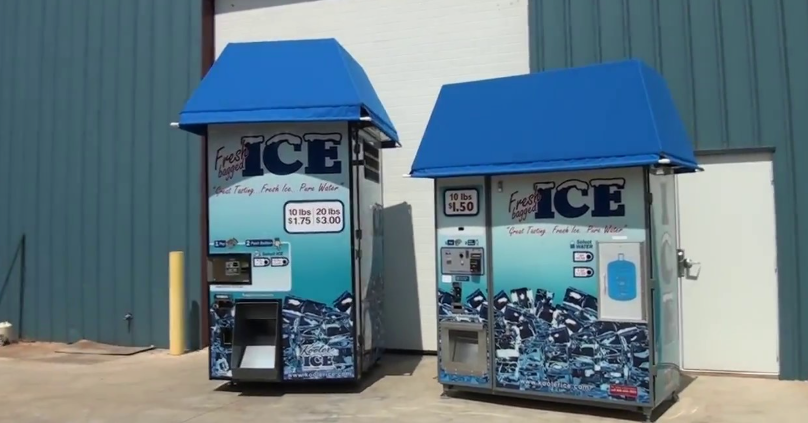
The machine should be easy to spot. It should feel clean. It should explain itself fast. It should accept payment without confusion. It should have enough capacity for the busy days, not just the quiet ones.
Owners who focus only on machine size may miss the bigger picture. Profit depends on the whole setup: customer flow, water quality, ice output, uptime, payment options, site design, and service discipline.
In Texas terms, it is not enough to own the horse. You have to know the trail.
Choose The Right Location
Location is the heartbeat of a vending setup. A strong site has visible traffic, simple access, a safe stopping room, reliable utilities, and a reason for customers to need water or ice nearby.
Think about how a real customer moves. A boat owner pulling a trailer needs turning space. A parent with kids in the truck wants a quick stop. A construction crew wants to buy and go. A shopper wants the machine close enough to feel convenient.
The right location often has at least one strong demand driver:
- Lake, river, or marina traffic
- Outdoor recreation routes
- Sports fields or event spaces
- Highway or fuel stop activity
- Rural areas with limited options
- Industrial or job site corridors
- Grocery or convenience store traffic
A machine near real demand can work quietly in the background. A machine in the wrong spot needs constant pushing just to get noticed.
Match Capacity To Peak Demand
A common mistake is planning around average traffic. Average traffic can look calm. Peak traffic is where the money and the pressure both show up.
If a machine runs out during a hot holiday weekend, customers remember. If it struggles during fishing season, lake traffic may move to another stop. If the unit cannot serve groups quickly, lines can turn into frustration.
Capacity should match the busiest realistic window. That includes storage, production speed, bag supply, water output, and customer flow.
A business does not need to chase the biggest setup every time. It needs the right setup. Too small can limit sales. Too large can create unnecessary overhead. The sweet spot is where demand, space, utilities, and service support all line up.
Keep Water Quality Front And Center
Ice starts as water, and customers can tell when the quality is poor. Clean taste, clear ice, proper filtration, and a sanitary machine area all shape trust.
This matters because customers use ice and water for coolers, drinks, food, travel, and events. If they feel unsure about cleanliness, they may not come back.
A strong water vending business needs more than a machine. It needs a clear quality routine. Filters must be checked. Surfaces must be cleaned. Dispensing areas must look cared for. Any leak, odor, or visible neglect can damage customer confidence fast.
People may forgive a slow line. They are much less forgiving when water or ice feels questionable.
What Owners Should Track
| Profit Driver | What To Watch | Why It Matters | Common Miss |
| Customer Traffic | Time, day, season, nearby events | Shows when demand is strongest | Judging by slow weekdays only |
| Product Quality | Taste, clarity, cleanliness | Builds repeat trust | Ignoring customer impressions |
| Uptime | Breakdowns and service gaps | Protects busy sales windows | Waiting for failure before service |
| Payment Use | Cash, card, tap behavior | Reduces buying friction | Offering too few payment choices |
| Site Flow | Parking, trailers, lighting | Makes stopping easier | Creating awkward access |
| Machine Capacity | Storage and output | Prevents peak sellouts | Sizing for average days |
The table points to one truth. Profit is not one lever. It is several small levers working together.
Make Buying Easy
Customers standing in Texas heat do not want a puzzle. They want clear instructions, fast payment, clean dispensing, and a quick finish.
Payment flexibility can help. Cash may still matter in rural areas. Card and tap options may matter more near travel corridors, events, and busy retail spots. The machine should match the people most likely to use it.
Signage also matters. A customer should know what is offered before getting out of the vehicle. Is it bagged ice? Bulk ice? Water refill? Both? Is the payment screen easy to read? Is there lighting for evening use?
Small design choices can create big differences in customer comfort.
Treat Maintenance Like Revenue Protection
Maintenance is not a chore on the side. It is revenue protection.
A clean, working machine can earn trust day after day. A broken or dirty one can lose a customer in seconds. During peak season, downtime can hurt more than owners expect because the busiest windows often come when customers need the product most.
Good maintenance includes:
- Regular cleaning and sanitation.
- Filter changes on schedule.
- Payment system checks.
- Ice production review.
- Water quality checks.
- Quick repair response.
- Safe lighting and site upkeep.
The best operators do not wait for customers to report trouble. They stay ahead of it.
Build Repeat Customer Habits
Repeat customers are where profit becomes steadier. A family that stops before every lake trip, a crew that fills coolers each morning, or a traveler who trusts one station over another can quietly build strong demand.
The machine must feel dependable enough to become part of a routine. That means it should work when expected, stay clean, offer a consistent product, and sit in a place that does not create hassle.
A good ice vending machine becomes familiar. People stop thinking about whether it will work. They simply pull in.
That kind of trust is earned through ordinary details handled well.
Use Seasons Without Chasing Them
Texas demand has rhythm. Summer heat, holiday weekends, boating season, youth sports, hunting trips, storms, and outdoor events can all affect water and ice purchases.
Owners should plan ahead for those moments. That may mean checking supplies before weekends, scheduling maintenance before heavy demand, watching event calendars, and reviewing sales patterns from past months.
Seasonal planning is not about guessing the future perfectly. It is about being ready when common patterns return.
When a rush hits, a prepared machine feels like good service. An unprepared machine feels like a missed opportunity.
Avoid Profit Drains Early
Some issues quietly eat profit. Poor visibility. Weak signage. Messy surroundings. Limited payment options. Delayed repairs. Bad water taste. Awkward parking. No trailer access. Wrong capacity. No one is assigned to check the unit.
These problems may seem small, but customers notice them.
Owners should walk the site like a first time buyer. Can the machine be seen from the road? Is the area clean? Is it safe at night? Can a truck pull through? Can instructions be read quickly? Would someone trust the product?
If the answer feels shaky, the site needs attention.
A Practical Texas Scenario
Picture a small fuel stop near a route that leads to a popular camping and fishing area. For years, customers have asked for more ice on Fridays and Saturdays. The staff keeps restocking, but summer demand keeps outrunning the freezer.
The owner studies the pattern instead of guessing. Trucks with coolers show up before sunrise. Families stop after grocery runs. Campers come through before dark. A few contractors buy water during the week.
The owner chooses a machine sized for peak days, places it near easy trailer access, adds clear signage, and creates a service schedule before the first busy weekend. The machine does not succeed because it is shiny. It succeeds because it fits the location.
Think Beyond The First Sale
A vending machine business should not be measured only by first month sales. The better question is whether customers keep returning.
Long term profit improves when the owner reviews data, listens to customer feedback, adjusts service timing, keeps the area clean, and learns which demand windows matter most. If sales spike every Saturday morning, staffing and maintenance should not interrupt that window. If evening use rises, lighting may need improvement. If card payments dominate, the payment system must stay reliable.
Profit is not a one time setup. It is a rhythm.
The Three Part Profit Method
Owners can keep decisions grounded with a simple method: place, prove, protect.
Place the machine where demand already exists. Prove the setup by tracking sales, customer flow, and service needs. Protect profit through maintenance, cleanliness, uptime, and clear payment access.
This method helps avoid wishful thinking. It keeps the focus on real customers instead of assumptions.
The goal is not to make the machine look impressive. The goal is to make it useful, trusted, and easy to buy from again.
Turning Cold Supply Into Steady Value
Maximizing profits with ice and water vending machines comes down to smart placement, clean product, dependable service, and a clear understanding of customer habits. Texas businesses have a strong advantage when they pay attention to local movement, from lake traffic and work crews to camping routes and weekend shoppers. The machine is only the beginning; the real value comes from how well the owner manages demand, access, upkeep, and trust. When those pieces work together, cold supply becomes more than a sale, it becomes a reason customers keep coming back.
Double T Holdings supports water and ice vending, resource operations, and community focused services with a Texas rooted commitment to quality, dependable access, and practical growth.
FAQs
What Makes A Strong Profit Location?
A strong profit location has visible traffic, outdoor demand, easy stopping space, trailer access, safe lighting, and customers who already need cold supply.
How To Improve Repeat Sales?
Keep the machine clean, working, easy to pay at, visible, well stocked, and reliable during the busiest customer windows.
Which Best Practices Protect Uptime?
Schedule cleaning, check filters, review payment systems, inspect dispensing areas, monitor performance, and handle repairs before peak demand.
What Trends Affect Vending Returns?
Contactless payments, cleaner refill options, remote monitoring, better filtration, and stronger site planning are shaping vending returns.
When Should Owners Add Another Unit?
Add another unit when one site proves steady demand, peak sellouts happen often, service is manageable, and a second location has clear traffic.