Texas has a way of making water and ice feel less like extras and more like survival planning. A family heading to the lake packs coolers before sunrise. A contractor crew loads bottles before the day turns dusty. A store owner near a highway watches customers pull in, asking for ice, refills, and something cold before they head back out.
That is where the choice becomes practical: should a person or business rely on delivery, or does vending make more sense?
The answer depends on timing, location, quantity, convenience, storage, and how people actually move through the day. Ice vending machines vs water delivery services is not a one size fits all decision. For some needs, scheduled delivery is helpful. For others, self service access wins because the customer can stop, fill, and roll out without waiting.
Key Takeaways
- Vending works best for fast, flexible access.
- Delivery helps when supply needs are planned.
- Location, storage, and timing shape the choice.
- Clean water, dependable ice, and easy access matter most.
Why Texans Compare Both Options
From lake weekends to ranch work, Texas demand has its own rhythm. Heat comes early. Travel distances stretch long. Outdoor plans change fast. A softball tournament, fishing trip, church picnic, job site, or family reunion can turn a normal water and ice need into a serious supply question.
Texas Parks and Wildlife has noted that Texas State Parks receive over 9 million visitors every year, which gives a good sense of how often residents and travelers are on the move for outdoor activities. That activity creates real demand for clean drinking water, cooler ice, and quick refill access.
For small businesses, travel stops, campgrounds, marinas, and event locations, this comparison is not just about convenience. It is about serving people at the exact moment they need help.
What Vending Really Offers
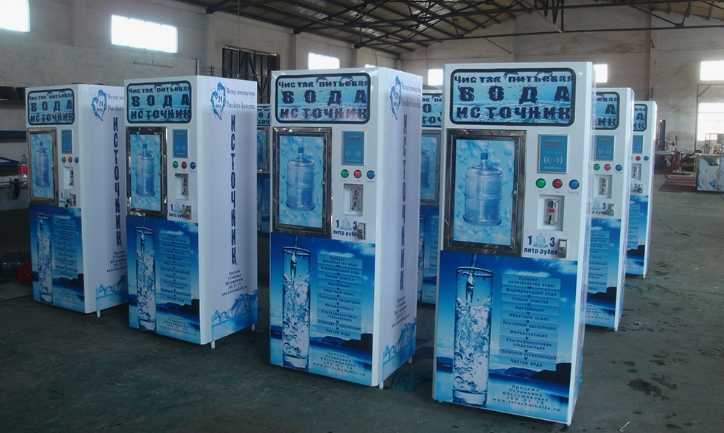
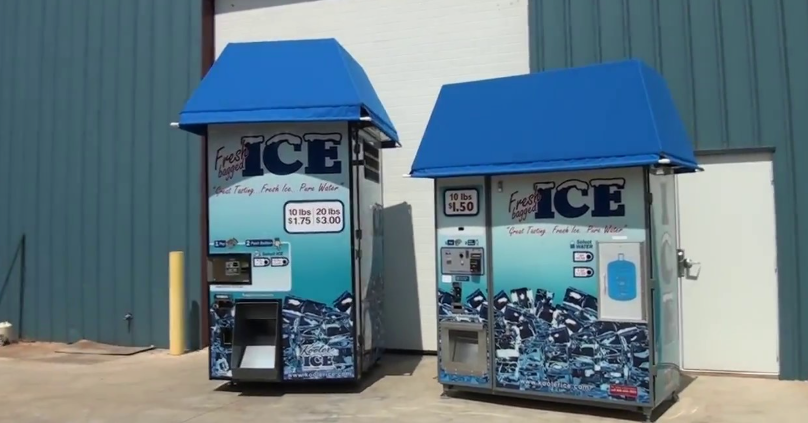
An ice vending machine gives customers on demand access to ice, and often water, through a self service unit. The main value is control. Customers can stop when they need supplies instead of waiting for a route, appointment, or store staff.
That matters when plans shift. A family may leave later than expected. A crew may need more ice after lunch. A boater may realize the cooler is short before reaching the ramp. A shopper may decide to fill a water jug after loading groceries.
Vending works well when demand is steady, visible, and tied to movement.
Common vending strengths include:
- Quick access for passing customers.
- Fewer staff interruptions.
- Flexible use during long hours.
- Good fit for outdoor and travel routes.
- Potential support for repeat local traffic.
For Texas businesses, that flexibility can feel mighty useful when the weekend rush rolls in.
What Delivery Brings To The Table
Water delivery services work best when needs are known ahead of time. A business, office, event team, or worksite may want a scheduled supply without sending someone out for pickup. Delivery can be practical when storage is available, and timing is predictable.
The main advantage is planning. If a customer knows how much is needed and when it should arrive, delivery can reduce last minute errands. It may also fit larger, organized operations where supplies are distributed from one central spot.
But delivery has limits. It depends on scheduling, route availability, order size, and storage. If demand changes suddenly, the customer may need another solution. Nobody wants to run short during a Texas afternoon when guests, workers, or travelers are already thirsty.
How Timing Changes The Decision
Timing may be the biggest difference between the two options. Vending is immediate. Delivery is scheduled.
A person heading to a campsite can use a vending machine on the way out. A business planning a multi day event may prefer delivery. A gas station near a lake may benefit from vending because customers show up in waves. A company office may prefer delivery because weekly demand is steady.
Ice vending machines vs water delivery services become easier to compare when the buyer asks one honest question: Is the need predictable or spontaneous?
If the answer is spontaneous, vending usually feels easier. If the answer is predictable, delivery may fit better.
Compare The Customer Experience
| Need Type | Vending Fit | Delivery Fit | Common Mistake |
| Road Trips | Strong for quick stops | Limited unless planned | Waiting until coolers are empty |
| Job Sites | Good for refill flexibility | Good for scheduled supply | Ignoring daily heat changes |
| Events | Helpful for extra demand | Strong for planned volume | Underestimating guest usage |
| Retail Locations | Strong for customer traffic | Useful for stock support | Hiding demand from customers |
| Camping And Boating | Strong near routes | Useful before departure | Forgetting the return trip needs |
| Offices Or Facilities | Less central unless nearby | Strong for routine use | Ordering without storage space |
The right choice is not about which option sounds better. It is about which one fits the moment.
When Vending Makes Better Sense
Vending is often the better fit when customers need supplies on the go. This includes lake roads, fuel stops, convenience stores, campgrounds, RV routes, sports complexes, rural towns, and areas with heavy weekend traffic.
A vending machine business can be especially useful where people already stop for fuel, snacks, bait, groceries, or travel supplies. When the machine is visible, clean, well lit, and simple to use, it can become part of a customer’s routine.
Vending also works when demand rises outside normal staff hours. Early morning anglers, late evening travelers, and weekend families do not always line up with standard delivery schedules.
That kind of access can be the difference between a customer stopping once and coming back every trip.
When Delivery Is The Better Fit
Delivery is often better when supply needs are known in advance. Large gatherings, offices, recurring work sites, and organized operations may benefit from scheduled supply.
For example, a business hosting a planned outdoor function may want delivery before guests arrive. A job site with a stable crew size may schedule water by the week. A facility with storage may prefer fewer trips and a set routine.
Delivery can also help when the person responsible for supply does not want guests or workers making multiple runs. Everything arrives together, and the team can focus on the event or operation.
Still, delivery needs coordination. If the schedule misses the real demand, the convenience disappears fast.
What Most People Get Wrong
Many people compare only the cost. That is too narrow.
The better comparison includes timing, storage, access, cleanliness, reliability, staff workload, customer convenience, and how quickly demand can change. A lower cost option can become frustrating if it runs short, arrives late, or forces extra labor.
Another mistake is assuming water and ice behave the same. Water may be planned by gallon or container. Ice often spikes with weather, food storage, travel, and coolers. A hot weekend can change ice demand in a hurry.
The third mistake is ignoring location. Delivery may work perfectly at a central site. Vending may work better where customers are already passing through.
The Texas Fit Test
A simple “Texas Fit Test” can help compare both options without overthinking it.
- Route: Are customers already passing the location?
- Timing: Is demand sudden or scheduled?
- Storage: Is there space to hold supplies?
- Labor: Who manages refills, bags, or containers?
- Trust: Will the supply feel clean and dependable?
- Access: Can customers get it when they need it?
If route and timing matter most, vending usually earns a closer look. If storage and scheduled planning matter most, delivery may be stronger.
This test is plain, but it works because the choice is not just about the product. It is about how people use the product.
Cleanliness Shapes Customer Trust
Whether supply comes from a vending unit or a delivery route, cleanliness matters. Customers want water that tastes right and ice that feels safe for coolers, drinks, food, and events.
A vending setup should be clean, maintained, and easy to inspect visually. A delivery service should use proper handling, clean containers, and dependable scheduling. In both cases, trust is built through consistency.
People remember bad taste. They remember cloudy ice. They remember messy machines. They remember late deliveries.
Clean supply is not a bonus. It is the foundation.
How Businesses Should Decide
Businesses should start with customer behavior. A store owner should watch when people ask for ice, what vehicles they arrive in, how often demand spikes, and whether staff lose time handling supplies. An event operator should estimate crowd size, weather, storage, and refill plans. A campsite or lake area business should study weekend patterns.
For customer facing locations, an ice vending machine can turn demand into a visible service. For private operations, delivery may support smoother planning.
The best decision often comes from matching the option to the buying moment. When customers need control, vending helps. When managers need predictable inventory, delivery helps.
A Familiar Texas Scenario
Picture a small store near a Texas lake town, where Friday traffic brings customers in for snacks, fuel, bait, drinks, and last minute cooler supplies. By Saturday morning, trucks start lining up with coolers in the bed and boat trailers rolling behind them, while the store’s indoor water cases and freezer ice keep pulling staff away from other tasks.
Delivery helps with restocking, but customers still want quicker access right outside the door, showing how water distribution services can support busy locations when demand rises fast. The owner studies the pattern and sees that the store does not simply need more supplies; it needs a more convenient way to serve people.
In that situation, vending can solve a customer flow issue that delivery alone may not handle, while delivery still supports the larger supply plan behind the scenes.
Why A Hybrid Plan Can Work
Some locations may benefit from both. Delivery can support planned volume, while vending handles unpredictable customer demand.
A large event site might use delivery for its main supply and vending for guests who need extra ice or refills. A campground might schedule deliveries for operations while offering vending for visitors. A travel stop might use delivery for bottled stock but rely on vending for cooler fills and water refills.
This approach works when each option has a clear purpose. It fails when nobody owns the plan.
A hybrid system needs routine checks, clean access, clear signage, and a simple process for keeping supplies ready.
What About Cost And Value?
Cost should be considered, but value is the better word. Delivery may involve route schedules, order minimums, handling, and storage needs. Vending may involve equipment, utilities, maintenance, location setup, and monitoring.
The right question is not always, “Which costs less today?” A better question is, “Which option helps people get what they need with less waste, fewer delays, and stronger trust?”
For some buyers, the value is convenience. For others, it is staff efficiency. For others, it is customer traffic. For others, it is not running out during peak heat.
Value depends on the problem being solved.
Choosing The Right Supply Path
Ice vending machines vs water delivery services come down to real life patterns, not guesswork. Vending fits fast moving customers, outdoor routes, retail stops, and sudden demand, while delivery fits planned events, offices, job sites, and organized supply needs. Texas makes this choice especially practical because heat, travel, outdoor recreation, and long distances can shift demand quickly. The strongest choice is the one that keeps water and ice clean, available, easy to access, and matched to how people actually live, work, and travel.
Through Double T Ice, Double T Holdings supports water and ice vending, resource operations, and community focused services with a Texas rooted commitment to quality, dependable access, and practical growth.
FAQs
What Makes A Good Supply Choice?
A good choice matches timing, customer behavior, location access, storage space, cleanliness, and how often demand changes.
How To Plan For Outdoor Events?
Estimate guest count, weather, cooler use, refill needs, parking access, and whether backup vending or delivery support is nearby.
Which Services Fit Travel Routes?
Self service vending often fits travel routes because customers can stop quickly, buy what they need, and continue moving.
What Best Practices Prevent Shortages?
Track busy days, prepare for heat, check equipment early, confirm delivery timing, and keep extra capacity for peak demand.
When To Use A Hybrid Setup?
Use both options when planned supply is needed, but customers may also need extra ice or water during changing demand.