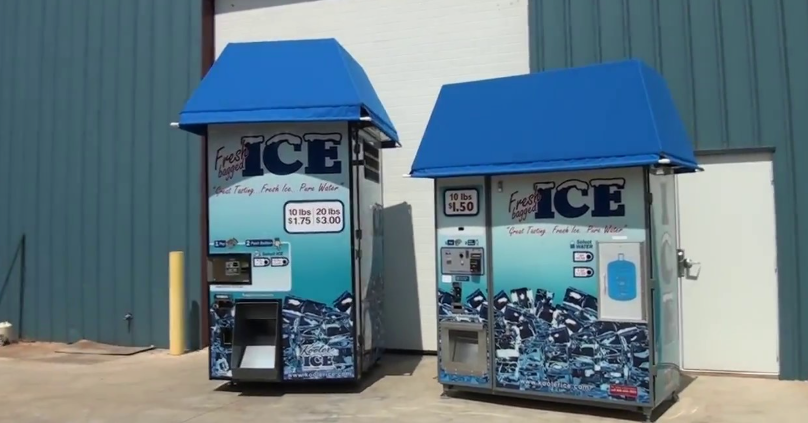
You have seen them outside gas stations, grocery stores, and campgrounds. Customers pull up, pay, and drive away with a fresh bag of ice in under a minute. It looks simple. And when the right machine is placed in the right location, it is. But choosing the wrong unit for your business leads to low output, high maintenance costs, and customers who stop coming back. In this guide, you will learn exactly what to look for when selecting an ice vending machine, how to match the unit to your location and goals, and what questions to ask before you spend a single dollar.
Why the Right Ice Vending Machine Makes All the Difference
The ice vending machine market has grown significantly over the past decade. Demand for clean, affordable, self-serve ice is consistent across seasons and customer types. But not every machine is built for every business environment.
A unit that works perfectly outside a busy marina will not necessarily perform the same way in a parking lot with lower foot traffic or harsher weather conditions. Understanding what makes one unit better suited to your specific situation is the foundation of a smart buying decision.
Step One: Understand Your Location and Customer Volume
Before comparing any machine specs or pricing, start with your location. The physical characteristics of your site determine almost everything else about which ice vending machine will work best for you.
Ask yourself these questions before moving forward:
- How many vehicles pass by or stop at this location daily?
- Is the area exposed to extreme heat, cold, or humidity for extended periods?
- Is there reliable access to a water supply line and electrical connection nearby?
- Is the site visible from the road and easy to pull into with a vehicle?
- Who are the primary customers and how much ice do they typically need per visit?
High traffic locations near lakes, beaches, sporting facilities, and campgrounds tend to perform best. These are environments where customers already expect to need ice and are ready to make a quick purchase without much persuasion.
Step Two: Match Output Capacity to Actual Demand
Output capacity is one of the most important specs to evaluate when choosing an ice vending machine. It tells you how many pounds of ice the unit can produce in a 24 hour period under standard operating conditions.
Buying a machine with too little output means running out of stock during peak hours, which frustrates customers and costs you sales. Buying too much capacity for a low traffic site means paying for more machine than you actually need.
Here is a reference guide to help match output to realistic demand:
| Location Type | Est. Daily Customers | Recommended Output | Typical Daily Revenue |
| Low traffic rural site | 10 to 20 customers | 400 to 600 lbs per day | $50 to $100 |
| Medium traffic suburban | 30 to 60 customers | 800 to 1,200 lbs per day | $150 to $300 |
| High traffic urban or resort | 80 to 150 customers | 1,500 to 2,500 lbs per day | $400 to $750 |
| Premium waterfront or event area | 150 or more customers | 2,500 lbs or more per day | $750 and above |
These figures are based on industry standard averages and real world operator reports. Always build in a 20 percent buffer above your estimated peak demand to avoid running short during your busiest days.
Exploring Ice Vending resources and operator communities before finalizing your output decision gives you real world benchmarks from people already running machines in similar locations.
Step Three: Evaluate the Total Ice Machine Cost
Understanding the full ice machine cost before you commit protects you from surprises that can affect your return on investment timeline. The purchase price is just one part of the picture.
A complete ice machine cost breakdown should include:
- Purchase price of the unit (typically $20,000 to $40,000 for a quality outdoor vending unit)
- Site preparation costs including concrete pad, electrical connection, and water line installation
- Ongoing water and electricity expenses based on your local utility rates
- Filter replacement and routine maintenance costs over a 12 month period
- Payment processing fees if the unit accepts card or mobile payments
- Any permits or health department fees required by your local jurisdiction
When you add all of these together, you get a realistic picture of what your first year of operation actually costs. Most well-placed units in medium to high traffic locations recover their full investment within 18 to 36 months.
Step Four: Consider an Ice Machine Rental Before Buying
If you are new to the vending machine business and want to test a location before committing to a full purchase, an ice machine rental arrangement may be the smarter starting point.
An ice machine rental gives you access to a functioning unit for a monthly fee without the large upfront capital requirement. This lets you validate your location’s demand, understand the operational rhythm, and build confidence in your ability to manage the unit before transitioning to ownership.
Step Five: Assess Machine Features That Matter for Long Term Performance
Not all features are equal. Some add genuine value and directly affect customer satisfaction and operating efficiency. Others are nice to have but do not meaningfully change your results.
Features worth prioritizing in an ice vending machine:
- Multi-stage water filtration for consistently clean and great tasting ice
- Cashless payment acceptance including credit card, tap, and mobile pay
- Remote monitoring and diagnostic alerts sent directly to your phone
- Insulated storage bin to maintain ice quality in hot weather conditions
Choosing Between a Standalone Unit and a Commercial Ice Machine Setup
Some business owners consider whether a commercial ice machine placed inside their facility would serve them better than an outdoor vending unit. This depends entirely on your business model and customer flow.
A commercial ice machine works well when you have staff available to manage ice distribution and when customers are already inside your facility. An outdoor ice vending machine works better when you want 24 hour availability, zero staff involvement, and the ability to serve drive-through customers who may not enter your store at all.
For businesses that serve customers both inside and outside, combining both approaches through your water distribution services infrastructure can maximize coverage without creating operational bottlenecks during peak periods.
Key Takeaways
- Start with location analysis before comparing any machine specs or pricing
- Match output capacity to your estimated peak daily demand plus a 20 percent buffer
- Calculate total first year costs beyond just the purchase price of the unit
- Consider an ice machine rental to test a location before committing to full ownership
- Prioritize features like remote monitoring, filtration quality, and cashless payment
Make the Right Choice for Your Business From Day One
Selecting the right ice vending machine is one of the most important decisions you will make as an operator. It affects your daily revenue, your customer experience, your maintenance workload, and your long term profitability. Getting it right from the start means fewer problems, faster payback, and a business asset that continues delivering returns for years to come.
The team at Double T Holdings has the experience and the product knowledge to help you match the right unit to your specific location, budget, and business goals. Whether you are placing your first machine or expanding an existing operation, Double T Holdings provides honest guidance, quality equipment, and ongoing support that keeps your investment working at its best. Reach out today and take the first step toward building a reliable and profitable ice vending machine operation.
Frequently Asked Questions
Q1: How much does a quality ice vending machine cost to buy?
A quality outdoor ice vending unit typically costs between $20,000 and $40,000 depending on output capacity, features, and manufacturer.
Q2: How long does it take to recoup the investment on an ice vending machine?
In medium to high traffic locations, most operators recover their full investment within 18 to 36 months.
Q3: Do I need a permit to operate an ice vending machine?
Most states and municipalities require a food service or business permit since the machine produces a consumable product.
Q4: What is the difference between renting and buying an ice vending machine?
Renting reduces upfront costs and typically includes maintenance support, making it a good option for testing a new location.
Q5: How much water and electricity does an ice vending machine use?
A typical outdoor unit uses between 15 and 30 gallons of water per 100 pounds of ice produced and consumes approximately 5 to 10 kilowatt hours of electricity per 100 pounds.